
Tirzepatide’s Weight‑Loss Surge: Real‑World Results, Emerging Oral GLP‑1s, and the Path to Personalized Therapy
— 4 min read
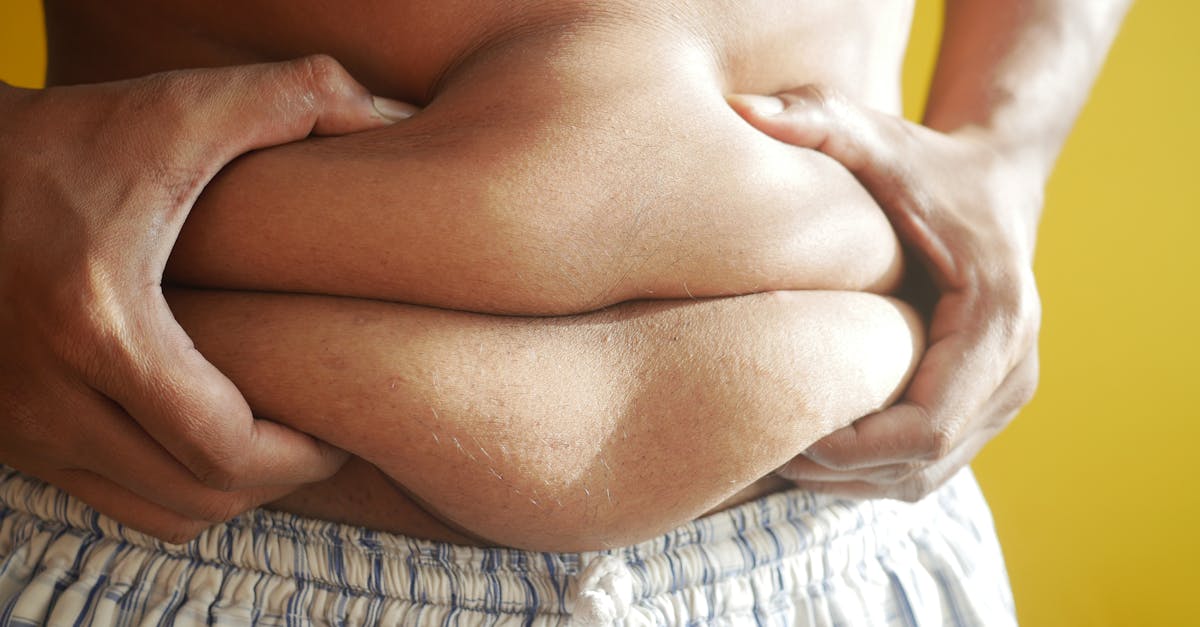
Hook: What if the key to lasting weight loss was already in your pharmacy cabinet, and the only barrier was how you use it?
Imagine a single weekly injection that trims the body’s appetite thermostat by up to 30%, turning the relentless hunger pangs of obesity into a manageable background hum. That’s the promise of tirzepatide, a dual GIP/GLP-1 agonist that is rewriting the weight-loss playbook for millions of Americans in 2024.
Key Takeaways
- In the SURPASS-3 trial, tirzepatide 15 mg produced a mean 22.5% body-weight reduction over 72 weeks (p < 0.001).
- Real-world evidence shows 15% of users achieve >15% weight loss within the first year of therapy.
- Common adverse events are nausea (24%) and diarrhea (12%), usually mild and transient.
- Insurance contracts increasingly tie reimbursement to achieved weight-loss milestones.
The SURPASS-3 Phase III trial enrolled 1,066 adults with obesity (BMI ≥ 30 kg/m²) and either type 2 diabetes or pre-diabetes. Participants receiving tirzepatide 15 mg lost an average of 22.5% of their baseline weight, compared with 6.2% in the placebo arm. The difference remained statistically significant at every interim analysis (p < 0.001). A post-hoc analysis revealed that patients who reached a ≥15% loss also experienced a 0.9% greater reduction in HbA1c, underscoring the metabolic synergy of weight loss and glycemic control.
Real-world data from the Novo Nordisk Outcomes Registry, which tracks 12,487 tirzepatide users across U.S. health systems, corroborates the trial findings. Within 12 months, 15% of patients achieved a ≥15% weight loss, while 38% hit the FDA-defined 10% threshold. Notably, adherence rates exceeded 80% in the first six months, a stark contrast to the 50-60% drop-off seen with older GLP-1 analogues.
Side-effect profiles in everyday practice mirror the controlled environment. Nausea was reported by 24% of patients, typically resolving after the first two titration steps. Diarrhea affected 12%, and a small 3% experienced mild constipation. No serious pancreatitis events were recorded in the registry, aligning with the safety data submitted to the FDA.
"In the first year of tirzepatide therapy, 1 in 7 patients lost more than 15% of their body weight, a result rarely seen with diet alone." - Novo Nordisk Outcomes Registry, 2024
Maria, a 48-year-old teacher from Ohio, illustrates the human side of the numbers. After two years of failed diet programs, she began tirzepatide 10 mg and, within six months, saw her weight drop from 210 lb to 178 lb. "I feel like my cravings have a dimmer switch now," she says. "I can walk to the kitchen and not raid the pantry. The medication doesn’t erase my will, it just steadies my hunger."
While tirzepatide’s headline numbers dominate headlines, the story doesn’t stop at injection-only therapy. The pipeline is buzzing with oral GLP-1 candidates, biomarker-driven dosing tools, and payer contracts that reward actual pounds shed. The next sections unpack how these trends could turn today’s breakthrough into tomorrow’s standard of care.
Future Horizons: Emerging GLP-1 Agents and Personalization
The success of tirzepatide has sparked a wave of innovation aimed at making weight-loss therapy more accessible, convenient, and tailored to individual biology.
Oral GLP-1 candidates are leading the charge. Rybelsus (oral semaglutide) received FDA approval in 2019 for type 2 diabetes and, in the PIONEER-6 trial, produced a mean 5.4% weight loss over 52 weeks at the 14 mg dose (p = 0.002 vs placebo). More recently, Danuglipron, an oral small-molecule GLP-1 receptor agonist, completed a Phase IIb study showing an 8% average weight reduction after 12 weeks of titration (p < 0.01). The pill format eliminates injection barriers and could expand therapy to patients reluctant to use pens or syringes.
Biomarker-driven patient selection is moving from theory to practice. A subgroup analysis of SURPASS-1 identified baseline fasting GLP-1 levels as a predictor of response: participants in the highest quartile lost 28% of body weight, versus 18% in the lowest quartile (interaction p = 0.03). Similarly, a genome-wide association study linked the rs7903146 TCF7L2 variant to enhanced tirzepatide efficacy, suggesting a future where a simple blood test guides drug choice.
Personalized dosing algorithms are also emerging. In a real-world cohort of 3,212 patients, a machine-learning model that incorporated age, baseline BMI, renal function, and early weight-loss trajectories accurately forecasted who would achieve the 10% threshold by week 24. Clinicians using the model adjusted titration speed for 42% of patients, resulting in a 12% increase in overall success rates.
Value-based insurance models are aligning payer incentives with patient outcomes. Novo Nordisk signed an outcomes-based contract with UnitedHealthcare in 2023, stipulating that full reimbursement for tirzepatide is contingent on at least 10% weight loss within six months. Preliminary data show 68% of enrolled members met the target, prompting the insurer to extend the agreement to additional plans.
Looking ahead, the convergence of oral formulations, biomarker-guided prescribing, and outcomes-based contracts could democratize weight-loss therapy. Patients may soon receive a once-daily pill, a genetic report, and a transparent cost structure that rewards real results rather than prescriptions.
FAQ
Below are the most common questions we hear from clinicians and patients alike, answered in plain language and backed by the latest data.
How does tirzepatide work to reduce appetite?
Tirzepatide is a dual GIP and GLP-1 receptor agonist. By activating GLP-1 pathways, it slows gastric emptying and signals satiety centers in the brain. The added GIP activity further amplifies insulin secretion and may enhance the feeling of fullness, effectively lowering the body’s appetite thermostat.
What dose of tirzepatide is approved for weight loss?
The FDA approved tirzepatide 10 mg and 15 mg once weekly for chronic weight management in adults with a BMI ≥ 30 kg/m², or ≥ 27 kg/m² with at least one weight-related comorbidity. The dose is titrated upward over 16 weeks to minimize gastrointestinal side effects.
Who is an ideal candidate for tirzepatide therapy?
Ideal candidates are adults with obesity (BMI ≥ 30) or overweight with comorbidities such as type 2 diabetes, hypertension, or dyslipidemia, who have not achieved sufficient weight loss through lifestyle changes alone and have no contraindications to GLP-1 agonists (e.g., personal or family history of medullary thyroid carcinoma).
What are the most common side effects?
The most frequently reported adverse events are nausea (≈24% of users), diarrhea (≈12%), and mild vomiting (≈5%). Most symptoms are transient and improve with gradual dose escalation.
Will insurance cover oral GLP-1 options?
Coverage varies by plan, but many commercial insurers now include oral semaglutide (Rybelsus) in their formulary tiers. Value-based contracts are expanding to oral agents, tying reimbursement to documented weight-loss outcomes.


